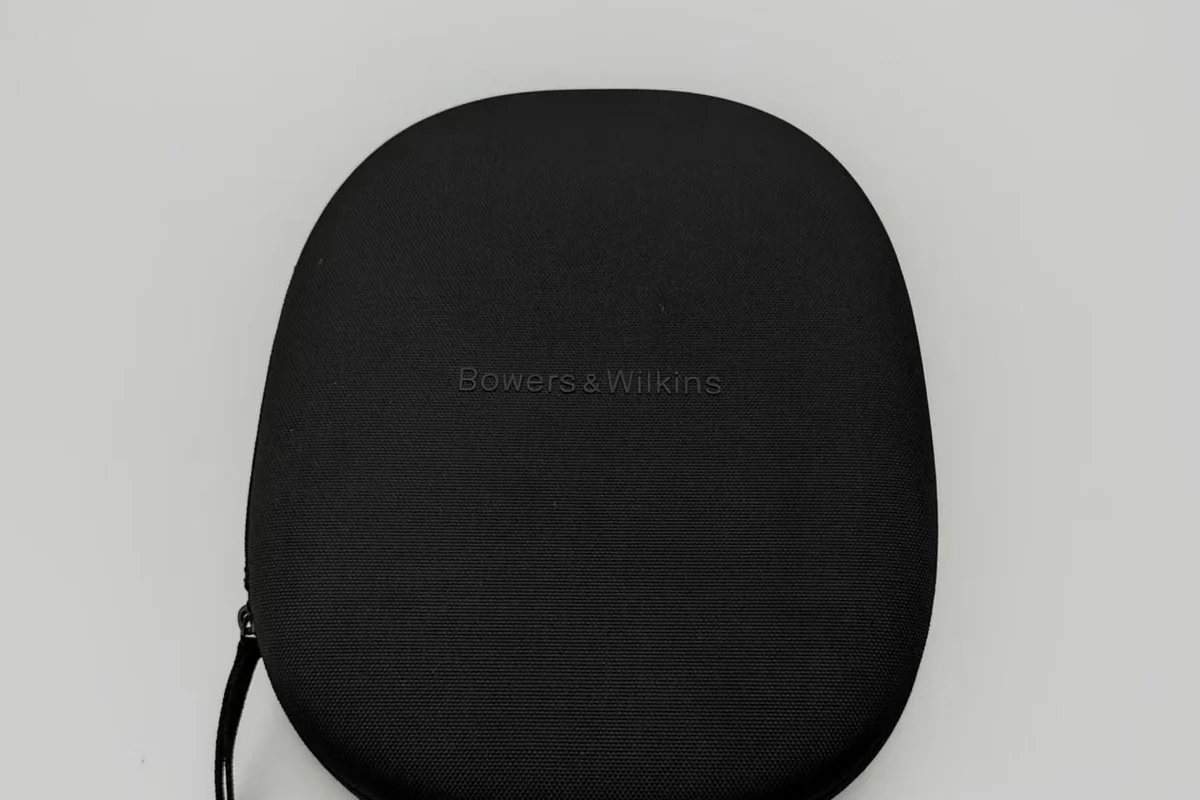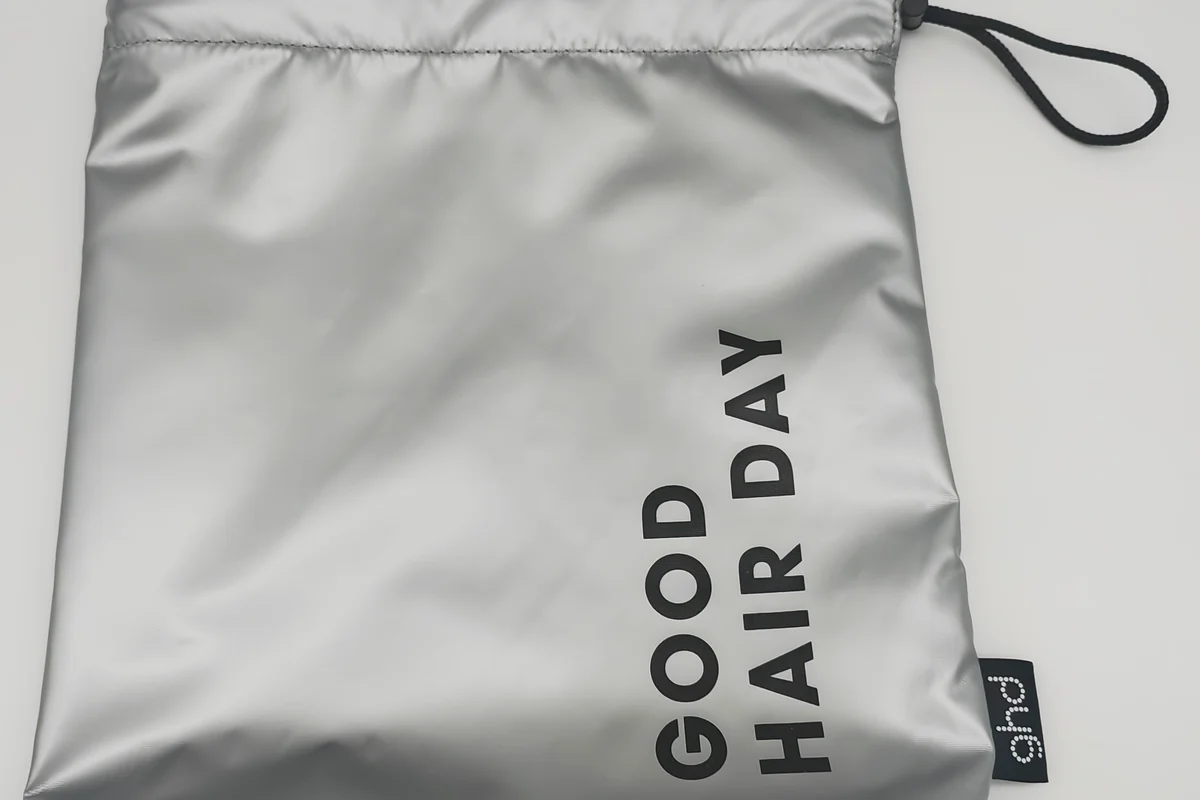
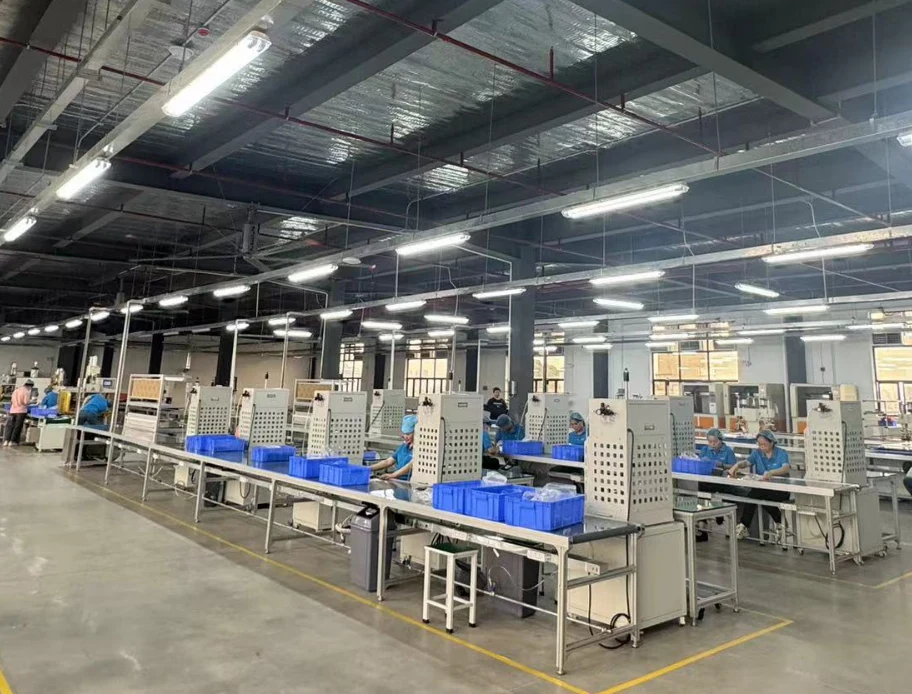
Sample approval is an important milestone, but it is not the end of product development. It is the point where the approved details must be translated into repeatable production instructions.
Freeze the approved specification
The approved sample should be matched with a written specification covering dimensions, materials, colors, logo placement, hardware, lining, inserts, stitching, and packing method. Any approved tolerance should also be recorded.
This reference gives purchasing, production, and quality teams the same definition of a finished product. If a detail changes later, it should be documented before production continues.
Confirm materials and production tools
The team checks material availability and verifies that fabrics, EVA, foam, zippers, labels, and printed elements match the approved sample. Molds, cutting dies, fixtures, and artwork files are then prepared for the production quantity.
Color and texture should be reviewed under consistent lighting. Small differences that look acceptable on a screen can be noticeable when multiple components are assembled together.
Validate the first production pieces
Before the full order moves forward, the first completed pieces provide a practical checkpoint. The team reviews fit, appearance, logo position, closure function, seams, and interior layout against the approved reference.
This step catches setup issues while they are still limited in scale. It also confirms that the production method can reproduce the sample consistently.
Control quality throughout production
Quality control should happen during production, not only after every unit is finished. Incoming materials, molded parts, printed components, assembly, and final packing each have their own checks.
Complete the final inspection and packing
Finished units are checked against the approved specification before packing. Carton quantity, labels, protective materials, and shipping marks are confirmed so the order can move into delivery without introducing new handling risks.
Clear approval records and staged checks make the transition from one successful sample to a stable production run much more predictable.