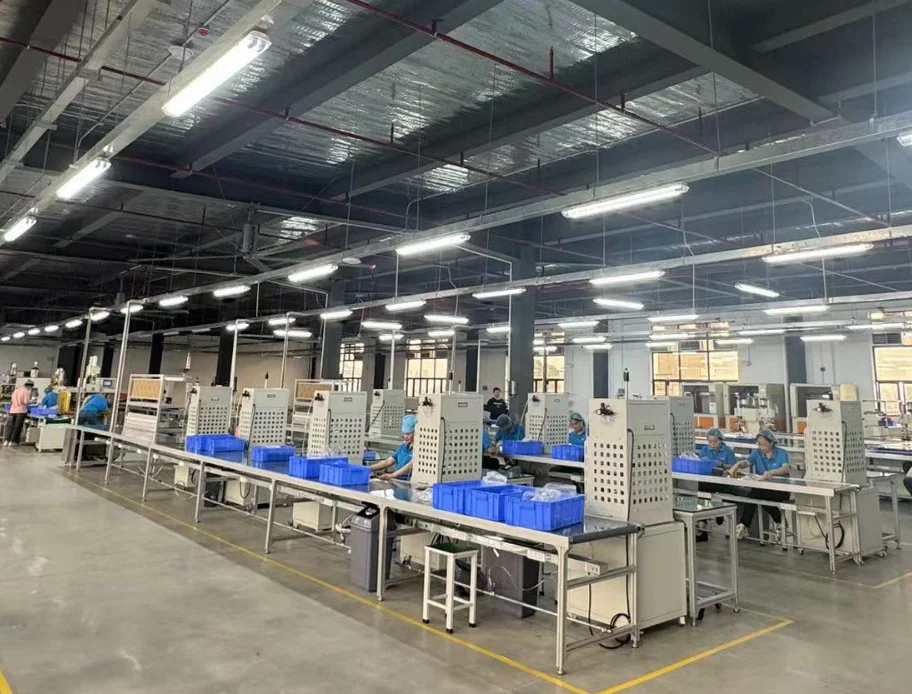
Choosing custom packaging starts with the product, not the surface finish. A useful brief explains what the package must protect, how it will be carried, and what the customer should experience when opening it. Those decisions determine the structure long before colors and logos are applied.
Start with the product itself
Record the product dimensions, weight, fragile points, accessories, and any parts that must not move. A CAD file is helpful, but a physical sample often reveals details that drawings miss, such as cable pressure, button clearance, or an uneven center of gravity.
If several product versions will share one package, list the size differences early. A removable insert or adjustable strap may be more practical than producing a separate shell for every model.
Define the protection level
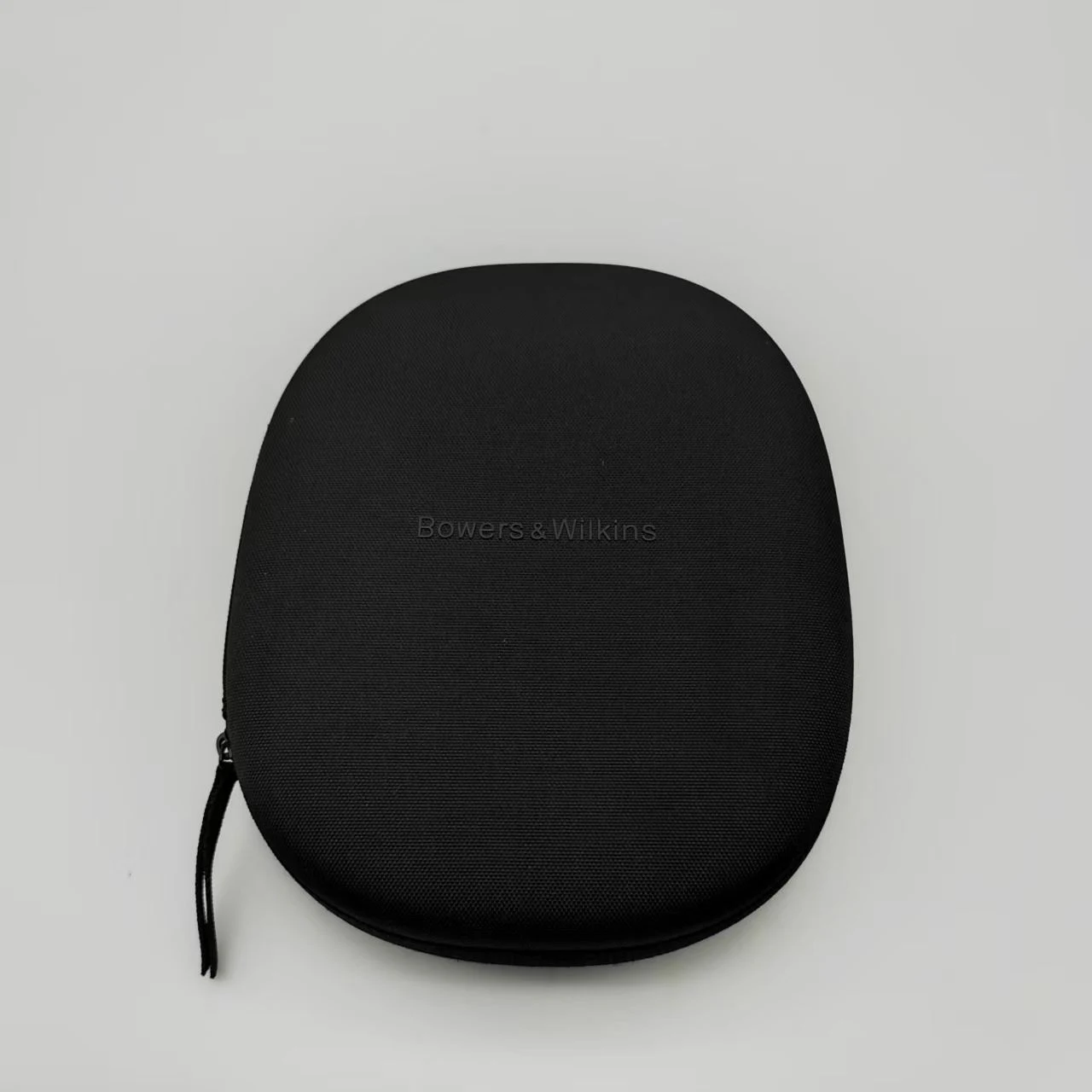
Think about the full journey from the factory to the end user. A retail pouch may only need scratch protection. A headphone case or instrument case may need a molded shell, a soft lining, and an interior that prevents movement during transport.
Protection requirements also affect size and cost. The goal is not to add as much material as possible. It is to place the right material where the product actually needs support.
Match the structure to the use case
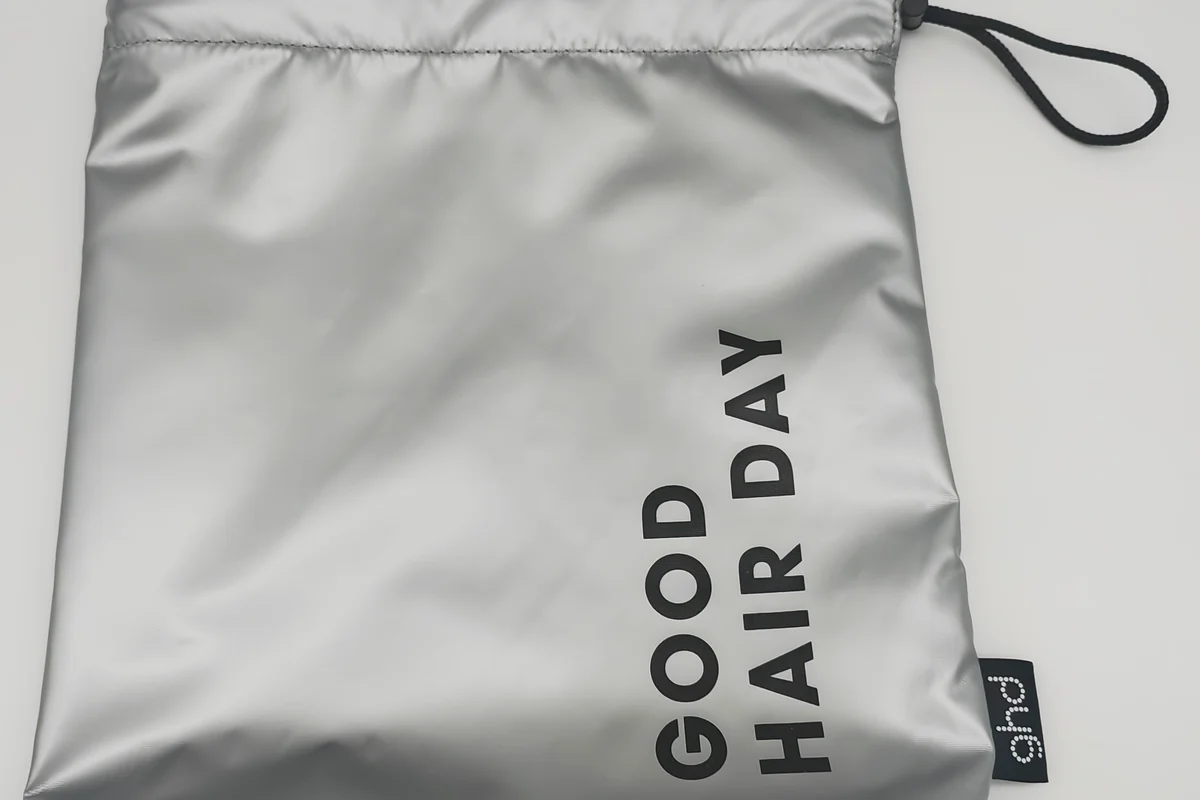
EVA hard cases suit products that need impact protection and a precise interior. Felt-wrapped cases add a softer, more tactile finish. Structured carry bags work well when portability and reuse are important. Drawstring and zipper pouches keep packaging light and compact.
The closure matters too. Zippers, drawstrings, flaps, and waterproof seams each create a different balance of convenience, protection, and production complexity.
Plan the interior before the exterior
Interior cutouts, pockets, dividers, straps, and cable storage should be resolved before final artwork. A clean exterior cannot compensate for a product that moves, presses against the zipper, or is difficult to remove.
Ask for a prototype and test it with the real product. Open it, carry it, pack every accessory, and check whether the intended user can understand the layout without instructions.
Prepare a complete request
A clear request should include product dimensions or samples, target quantity, preferred materials, protection needs, branding files, destination market, and required delivery date. With those details, the packaging team can recommend a realistic structure and prepare a more accurate quotation.