There is no single packaging format that fits every product. The right choice depends on how much protection the product needs, how the package will be carried, the desired brand experience, and the target budget.
EVA hard case
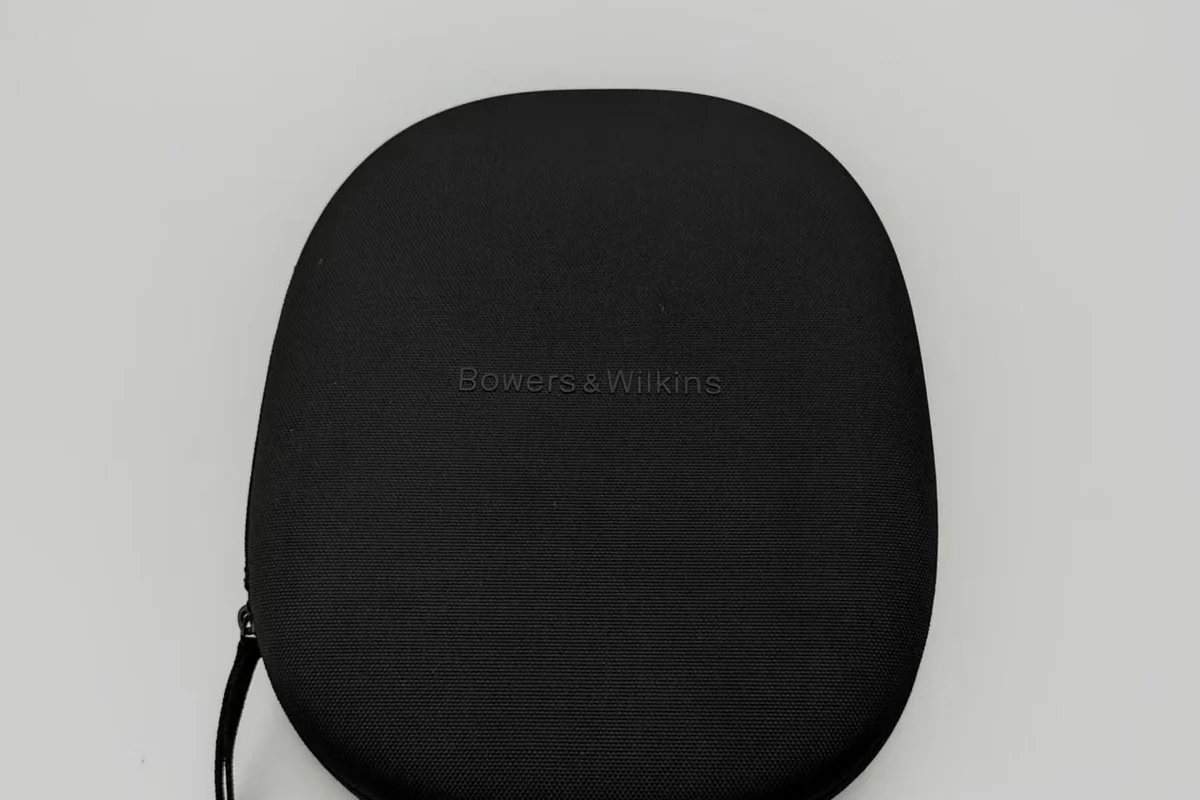
An EVA hard case uses a molded shell with a soft lining or custom-cut insert. It is a strong choice for headphones, electronics, tools, instruments, and accessories that must stay secure during transport.
Choose it when impact resistance, a precise fit, and a premium reusable case are priorities. Custom shapes, colors, textures, compartments, and embossed or printed branding can be developed around the product.
Felt hard case
A felt hard case combines a structured core with a soft-touch exterior. It offers similar shape retention to a hard case while creating a warmer, more tactile presentation.
It works well for audio products, gaming accessories, eyewear, cosmetics, and gift packaging where appearance and hand feel are central to the unboxing experience.
Structured carry bag
A carry bag uses padded panels, fabric, handles, and usually a zipper to balance protection with portability. Interior dividers and pockets can organize a main device and its accessories.
This format is useful when customers will transport the product regularly. It also gives the package a longer life after purchase, keeping the brand visible in everyday use.
Drawstring or zipper pouch
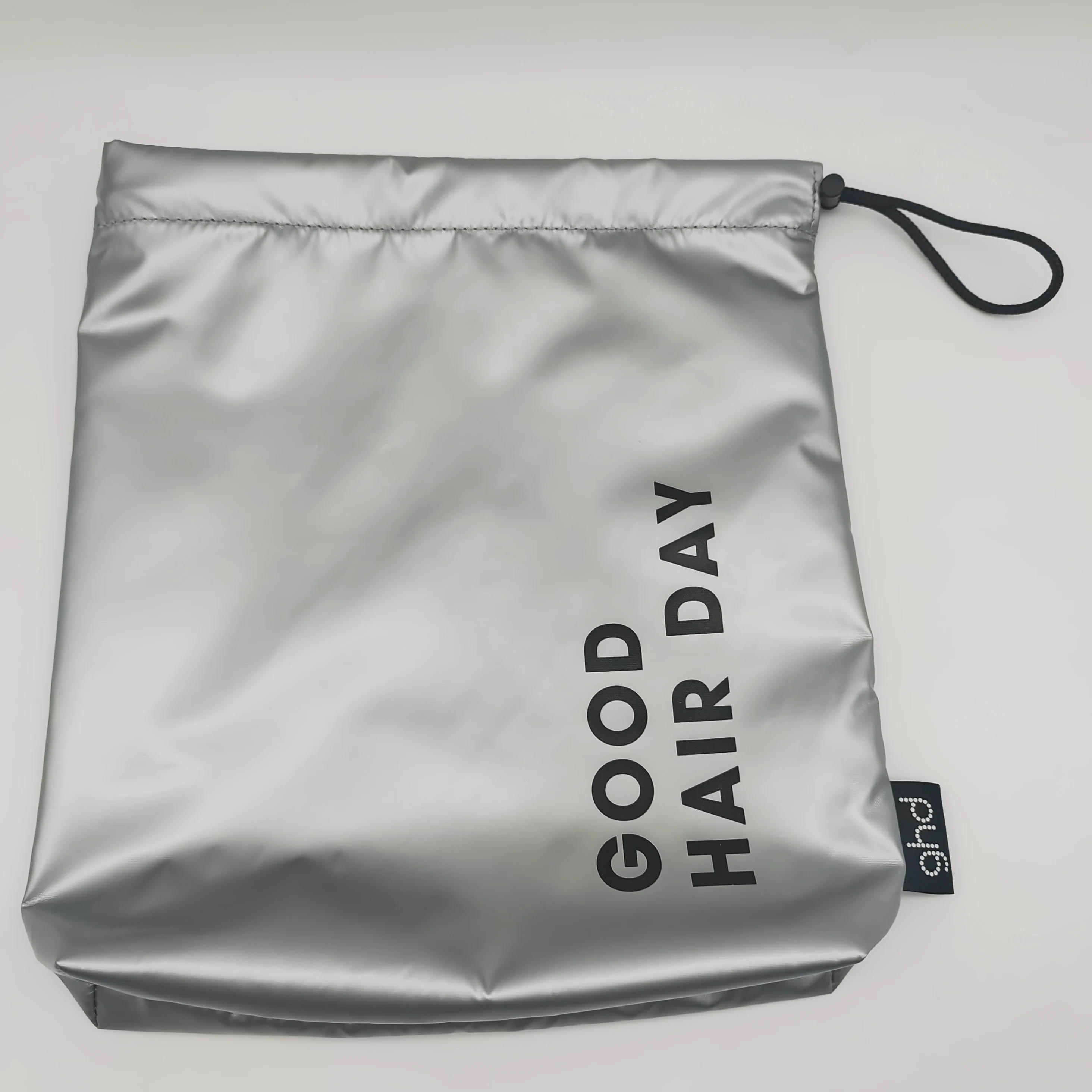
A pouch is compact, lightweight, and efficient to ship. It can protect against scratches, keep small components together, and provide a reusable alternative to disposable wrapping.
Pouches suit cosmetics, earbuds, cables, gifts, and promotional items. Material options include polyester, cotton, waterproof coated fabrics, and recycled RPET.
Make the decision with real constraints
Start by ranking protection, presentation, portability, shipping volume, and unit cost. Then test the preferred structure with the real product and accessories. A sample will quickly show whether the package is too large, too tight, difficult to carry, or missing useful storage.
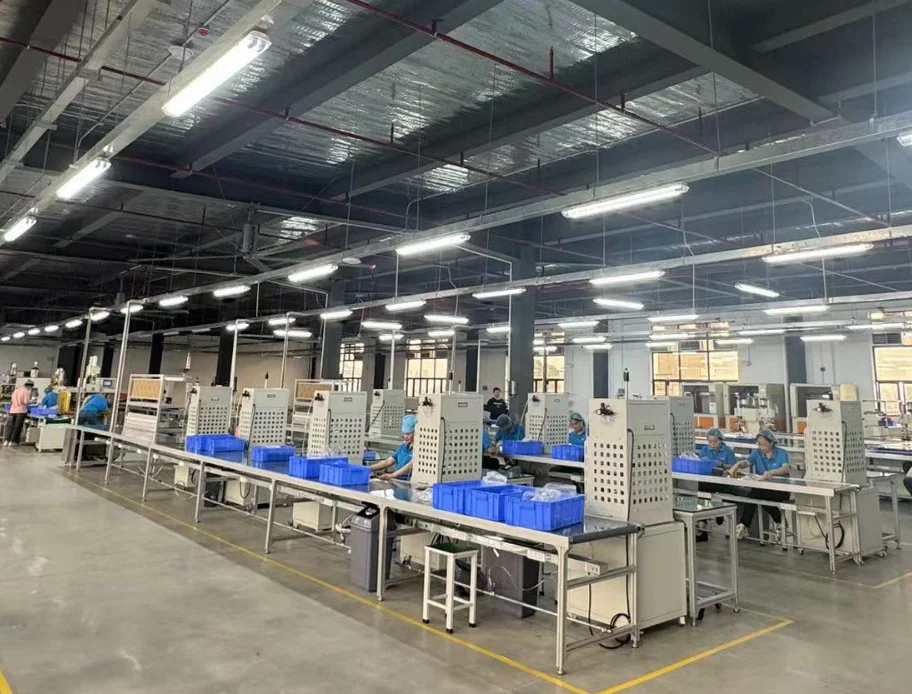
Sharing those priorities with the manufacturer makes it easier to compare materials and construction options without losing sight of the product’s actual needs.