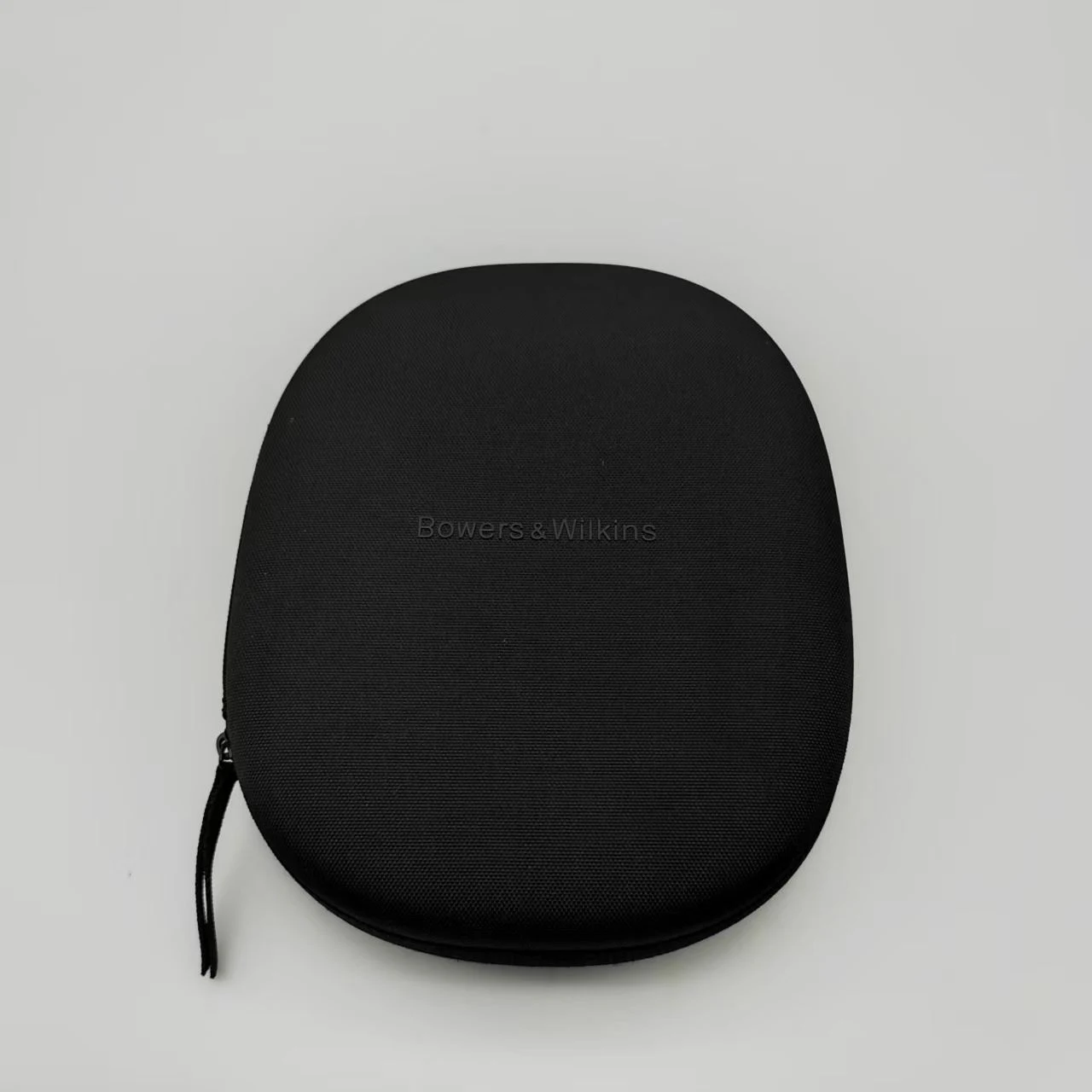
A rendering can show the direction of a package, but it cannot prove how the real product fits, how a zipper moves, or how materials feel in hand. Sampling turns a concept into something the project team can inspect and use.
Verify the fit
The first job of a sample is to hold the product and accessories correctly. Check clearances, pressure points, interior cutouts, straps, pockets, and the path used to remove the product.
A fit that looks correct in a drawing may still be difficult to use. Testing with the real product reveals whether an insert is too tight, a lid presses against a control, or an accessory has no secure position.
Test the complete experience
Open and close the sample repeatedly. Carry it by the intended handle or strap. Pack every component in the order a customer would encounter it. These simple actions show whether the structure supports the intended use.
The sample also gives marketing and product teams a realistic view of scale, color, texture, and branding. Decisions are easier when everyone is reviewing the same physical reference.
Confirm materials and finishes
Fabric, felt, PU surfaces, molded EVA, lining, stitching, and printed colors can appear different from digital references. A sample allows the team to compare combinations under real lighting and next to the product.
Functional details should be reviewed at the same time. Zipper direction, puller size, seam position, label placement, and logo alignment all affect the finished result.
Create a production reference
Once approved, the sample should be paired with a written specification. Together they define what purchasing, production, and quality teams must reproduce.
Changes after approval are still possible, but they should be recorded and confirmed. A controlled reference prevents different teams from working from different versions.
Sampling takes time at the beginning of a project, but it reduces uncertainty before tooling, materials, and production capacity are committed.